
Complete Turnkey SMT Line Solutions
From concept to full production. Launch your electronics manufacturing with integrated equipment, expert installation, comprehensive training, and ongoing support
End-to-End Implementation Timeline
Five-phase turnkey process from assessment to full production deployment
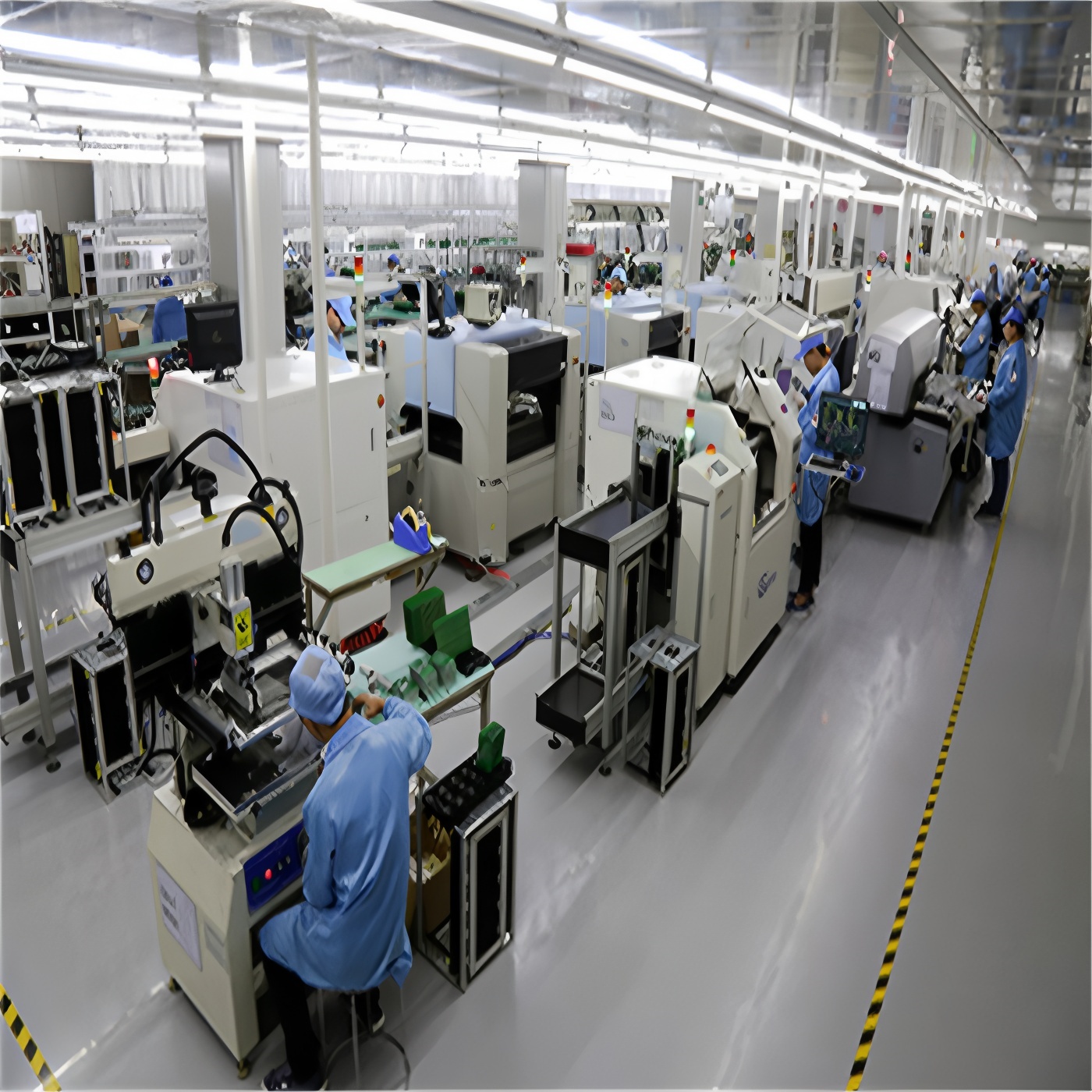
Phase 1
Assessment & Design
3-5 Days
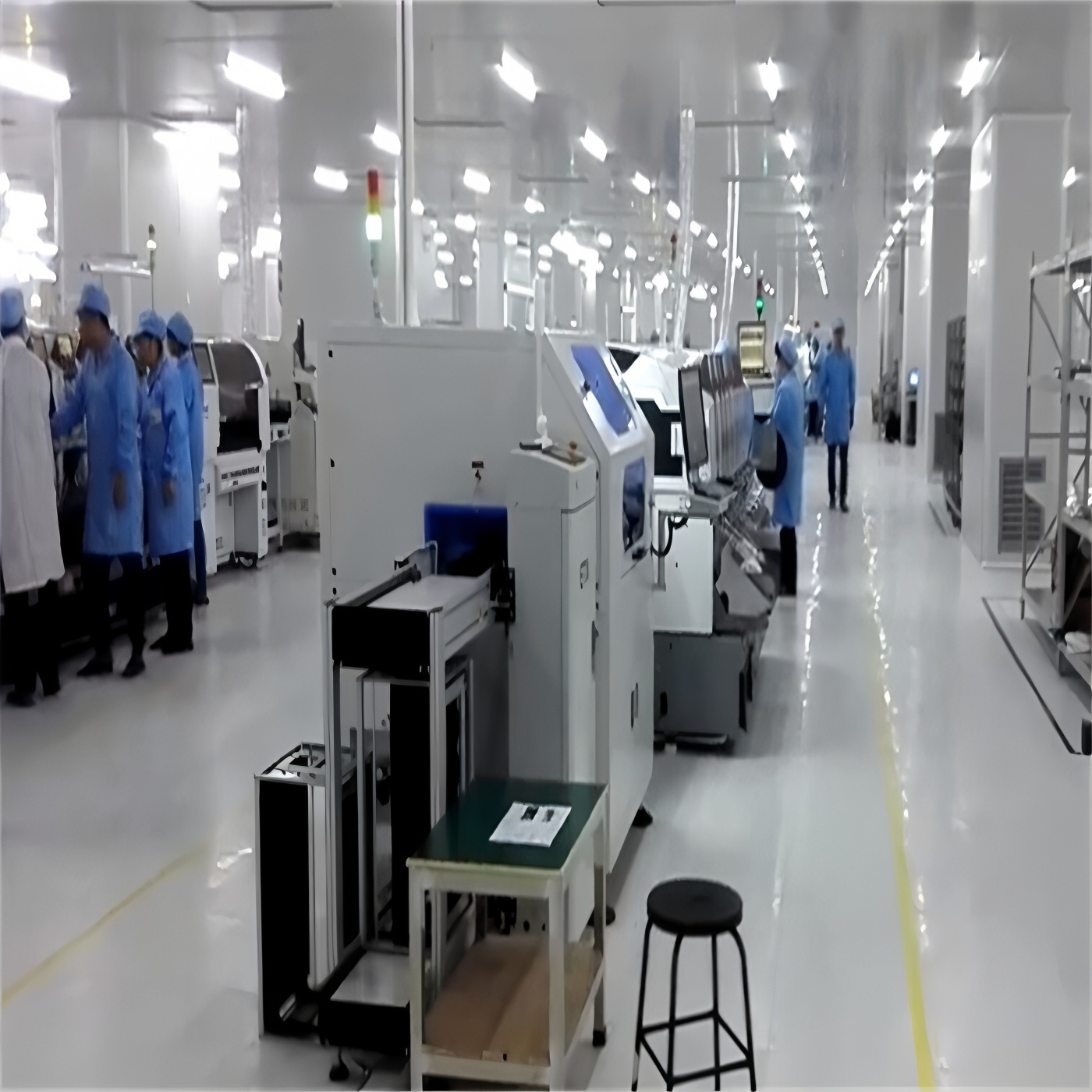
Phase 2
Detailed Quotation
1 Days
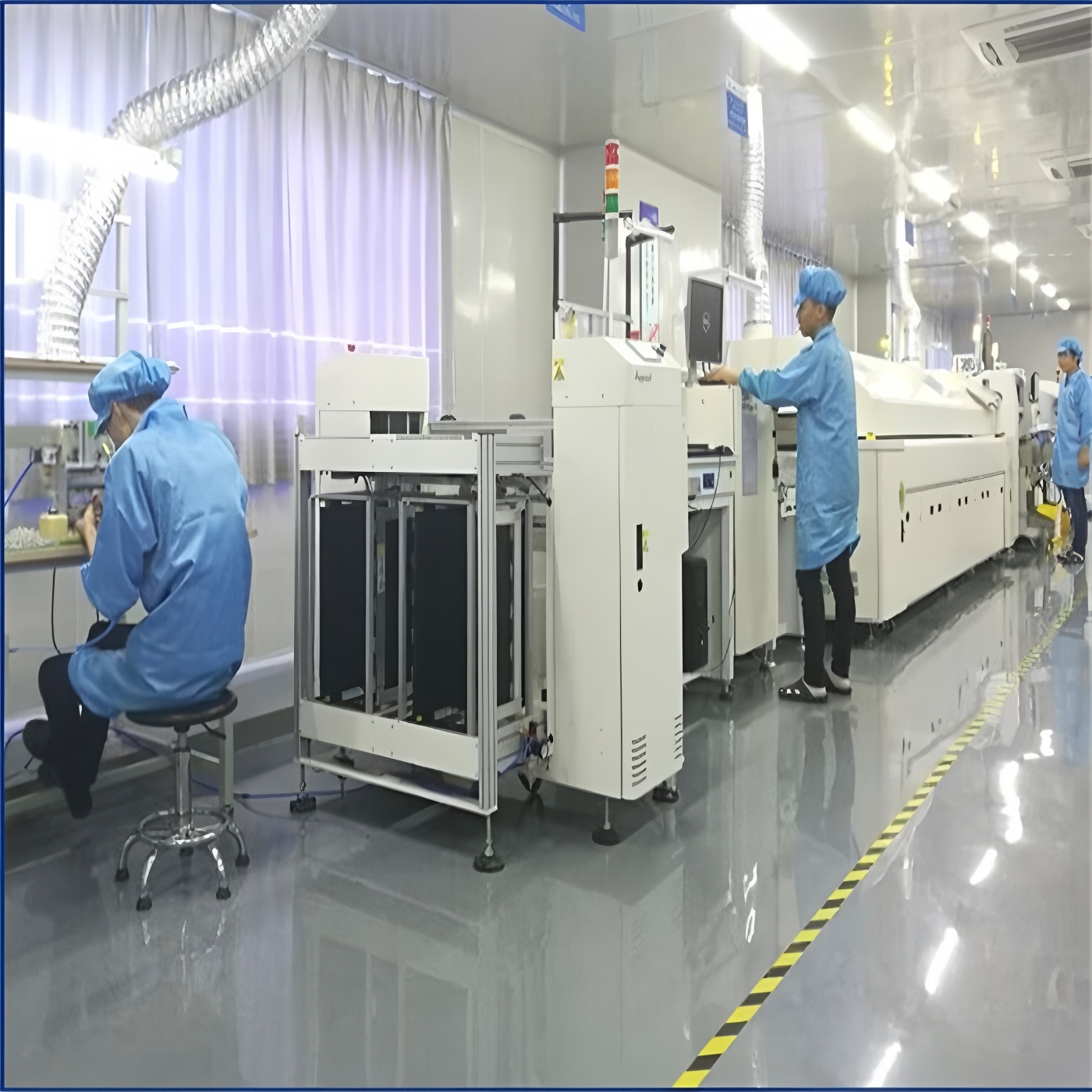
Phase 3
Manufacturing & Preparation
10-15 Days
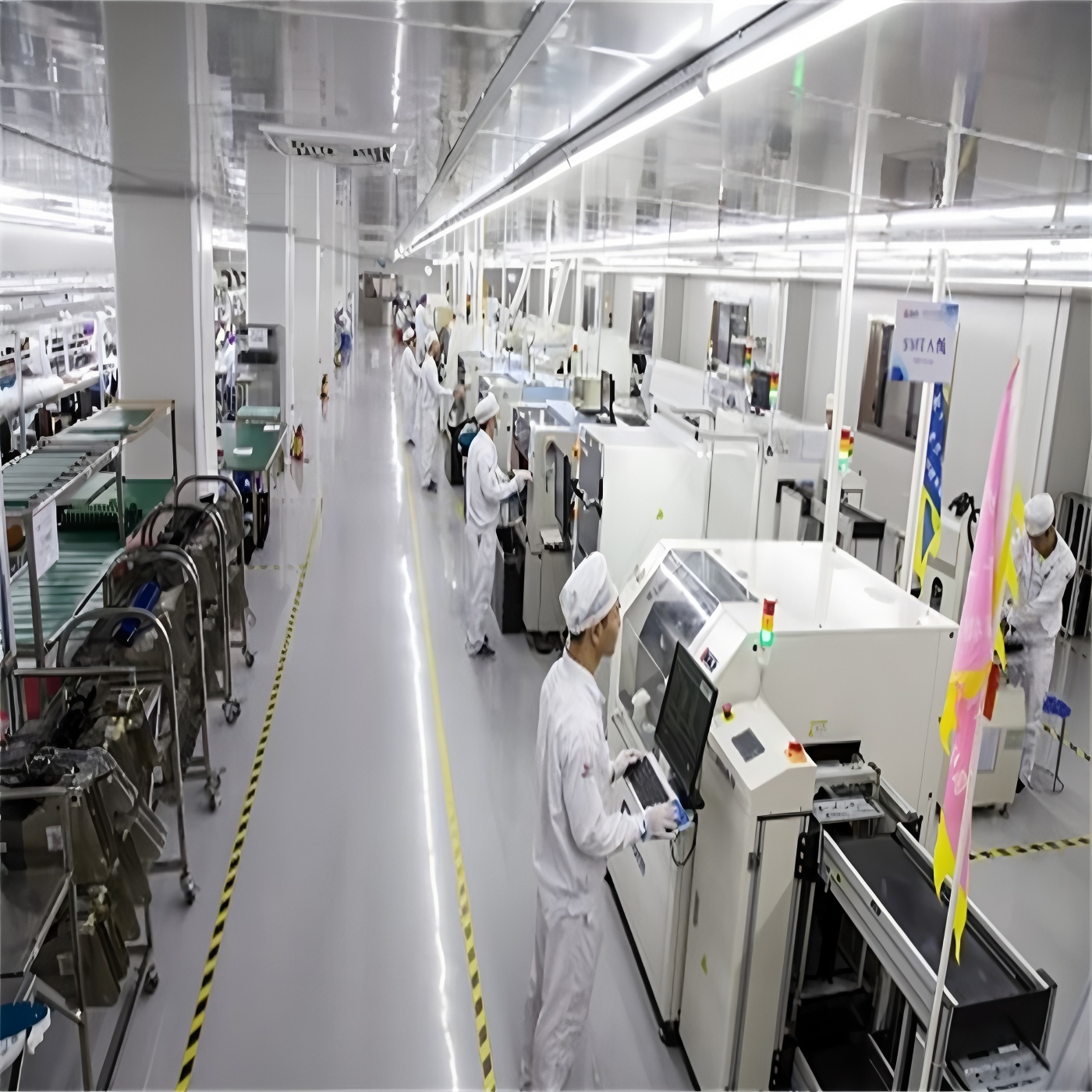
Phase 4
Delivery & Installation
10-15 Days
Phase 5
Commissioning & Training
1-2 Weeks
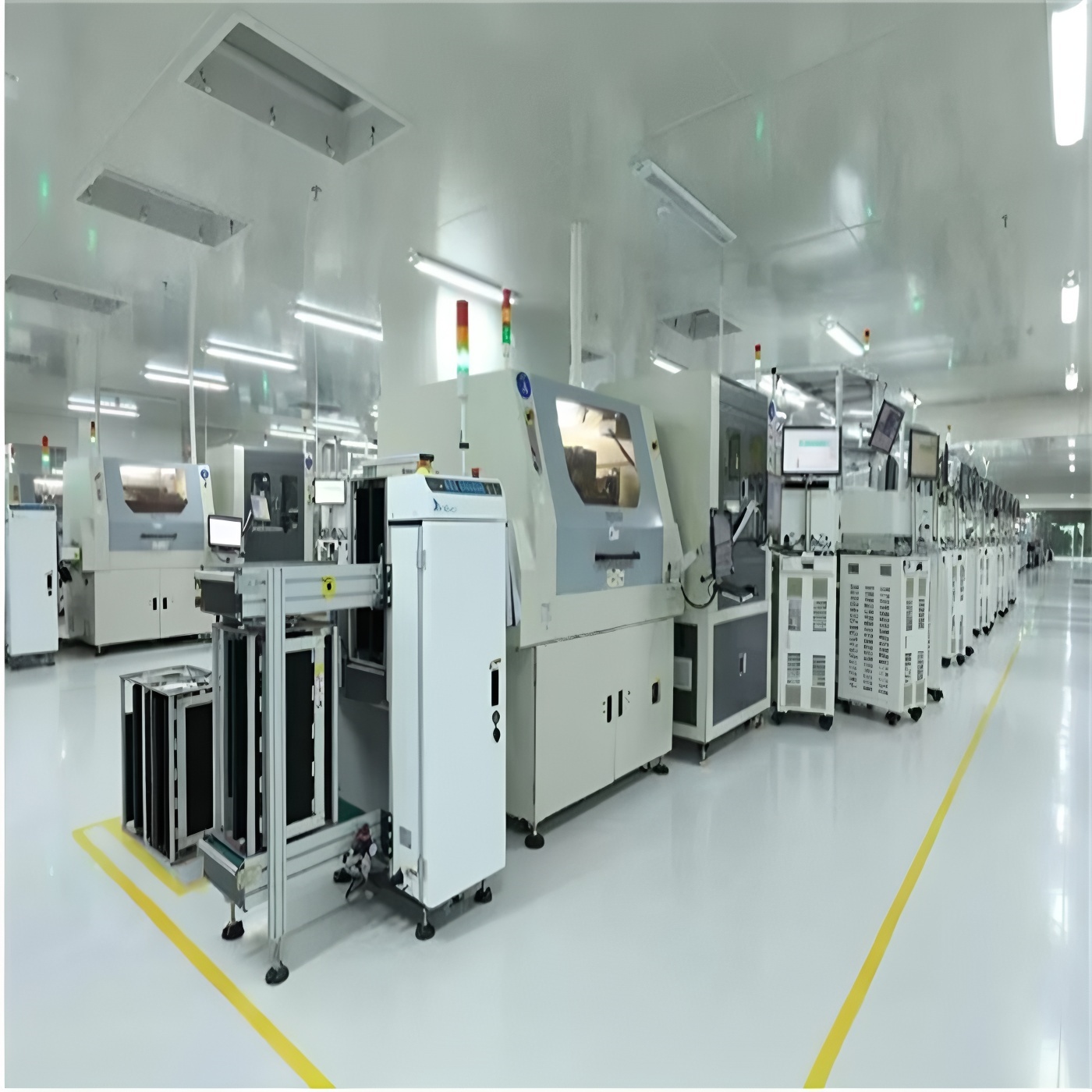
Standard Line Configurations
Four proven configurations for different production requirements
Phase 1
Basic Automatic Line
Ideal For: Small manufacturers, 3,000-8,000 CPH
Phase 2
Quality-Focused Inline
Ideal For: Stable daily production where first-pass yield matters,8,000–18,000 CPH.
Phase 3
High-Throughput Dual-Mounter Line
Ideal For: Medium-to-high volume OEM/EMS,18,000–40,000 CPH
Phase 4
Smart Line (High-Mix, High-Reliability)
Ideal For: High-mix, fine-pitch, quality-critical products.000 CPH.
Ratings and Testimonials
Advanced In-Line Quality Control & SMT Defect Prevention (SPI + AOI)
Technical highlights
3D SPI before placement: detects insufficient/excess paste, offset, bridging risk; stops defects before they become scrap
AOI placement verification
identifies polarity errors, missing parts, rotation, offset; supports high-mix programs
Post-reflow AOI
confirms solder joint appearance, bridges, tombstoning, solder balling indicators
Inspection recipe engineering
CAD import, library management, false-call reduction strategy (threshold tuning)
Defect containment flow
NG/OK sorting, repair loop definition, audit sampling rules
Best for
EMS, high-mix factories, reliability-driven programs, fine-pitch boards.
High-Speed Precision Placement Engineering
Throughput is not just CPH—it’s stable placement accuracy under real production conditions: replenishment, changeovers, and part variability.
Technical highlights
Placement architecture: multi-nozzle heads, optimized travel path, feeder strategy (chip-heavy vs IC-heavy)
Vision system fundamentals
fiducial alignment, component centering, on-the-fly correction, package-specific optics
Feeder strategy
intelligent feeder monitoring, splice readiness, error-proofing for downtime reduction
Component capability mapping
0201/01005 (if applicable), QFN/BGA handling approach, tall components clearance
Changeover engineering
offline setup carts, feeder grouping, program version control, first-article procedure
Real throughput model
cycle time drivers (board travel, nozzle swaps, vision time, feeder access)
Soldering & Thermal Process Control
Great placement means nothing without a controlled soldering process. We design reflow profiles, atmosphere options, and downstream soldering to match your product reliability targets.
Profile development
preheat/soak/reflow/cooling tuning; thermal mass variation handling
Lead-free process window
peak temp control, TAL (time above liquidus) planning, component temp limits
Nitrogen reflow option
oxidation reduction for improved wetting consistency
Oven configuration guidance
zone count, heating uniformity, cooling capacity, throughput vs stability tradeoff
Mixed-technology support
optional wave/selective soldering planning for THT connectors and high-pin-count parts
Verification
profiler validation, golden profile lock, periodic audit plan
Line Automation, Conveyor Integration & Interface ReadinessA turnkey line must run as one system. We engineer reliable PCB transfer, buffering, and machine handshakes to minimize micro-stops and maximize OEE.
MES Traceability, Data Readiness & OEE Optimization
Engineering credibility today includes data: traceability, recipe control, downtime insight, and continuous improvement loops.
Traceability scope
board ID, program version, feeder/slot mapping, inspection results, reflow profile linkage
OEE monitoring: downtime
downtime categorization (feeder, vision, stencil, conveyor), yield loss tracking, Pareto analysis
Data integration
MES/ERP connectivity approach, barcode/RFID points, audit record structure
Process drift control
inspection trend dashboards, rule-based alarms, maintenance triggers